Point and call goes a long way
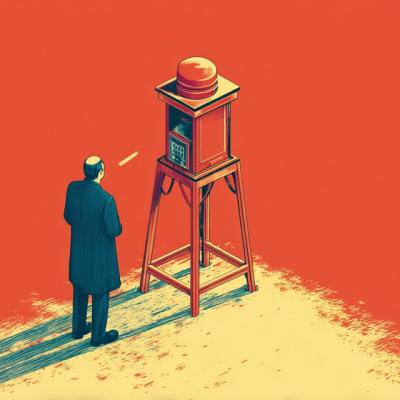
Point and call is an managerial tool that is very simple to implement and it goes a long way in ensuring both safety of operations, and correctness of code.
The point-and-call method (also called pointing and calling or shisa kanko) is a safety and error-prevention technique that originated in Japanese railways and is now used in many high-risk industries.
What it is
Point-and-call involves physically pointing at an object or indicator and verbally stating its status or required action.
Example: pointing at a signal and saying, “Signal is green—proceed.”
Pointing and calling is an occupational safety technique used to reduce human error by having workers physically point at important indicators (like signals, switches, or status displays) and verbally call out what they see. This dual action engages multiple senses—vision, speech, and hearing—and helps workers maintain focus on critical tasks. The method originated in Japan, especially in railway operations, where it is known by terms such as shisa kanko or yubisashi koshō, and has since spread to other industries in Japan. It is recommended by the Japan Industrial Safety and Health Association and has been incorporated into safety regulations in some countries. While most prevalent in Asia, variants also appear in systems like the New York City Subway and Toronto’s transit network.
How it works
The method intentionally engages multiple senses at once:
-
Visual: seeing the object
-
Motor: pointing at it
-
Auditory: speaking the confirmation
-
Cognitive: consciously processing the information
By doing this, it reduces automatic behavior and forces active awareness.
The history of pointing and calling dates back to the early 1900s on Japanese railways, where train crews would look for signals and call out their status; pointing gestures were introduced later to further reduce mistakes. The practice was carried into Taiwan, China, and Indonesia through historical railway influences and adapted to local rail operations. Beyond railways, the technique has become embedded in safety culture across many Japanese workplaces, and different countries have tailored versions of the method for their own standards.
Why it’s effective
Research shows that point-and-call can reduce human error by up to 85% in routine or repetitive tasks. It is especially effective against:
-
Inattention
-
Fatigue-related mistakes
-
Habit-based errors
-
Missed checks
Where it’s used
-
Railways and transportation
-
Manufacturing and quality control
-
Aviation and maintenance
-
Healthcare (checklists, medication verification)
-
Construction and safety inspections
Effectiveness studies have shown that combining pointing with verbal confirmation significantly reduces error rates during repetitive or safety-critical checks—one study found an error reduction of nearly 85 % when both were used together compared with no special procedure. In North America, transit agencies use similar point-and-acknowledge practices, such as requiring subway conductors to point at specific signs before opening doors, to ensure attention and correct task execution.
Simple example
Instead of silently checking:
-
Point at the checklist item
-
Say: “Valve closed.”
-
Move to the next step only after verbal confirmation