
We are AI-enabled technologists
Every step—from whiteboard to deployment—is handled with rigor, precision, and expertise.
We design and deliver systems that are technically excellent, robust, future-proof and practical to operate.
We translate complex opportunities into elegant, production-grade solutions.
We build with precision, scalability, and a clear understanding of the business context.

Built for impact
Confidence through thoughtful engineering, continuous innovation, and uncompromising craftsmanship.

Beyond Code
Strategy, maintainbility & cost-effectiveness. Accurate analysis and balanced decisions.

Measurable advantage
Our work is defined by outcomes: faster operations, smarter decisions, and capabilities that compound over time.
Transforming Ideas into Intelligent Solutions
Software consultants specializing in ruby, javascript, php and python.
Empowering our clients with AI/ML integration, custom model development, and intelligent automation for forward-thinking businesses.
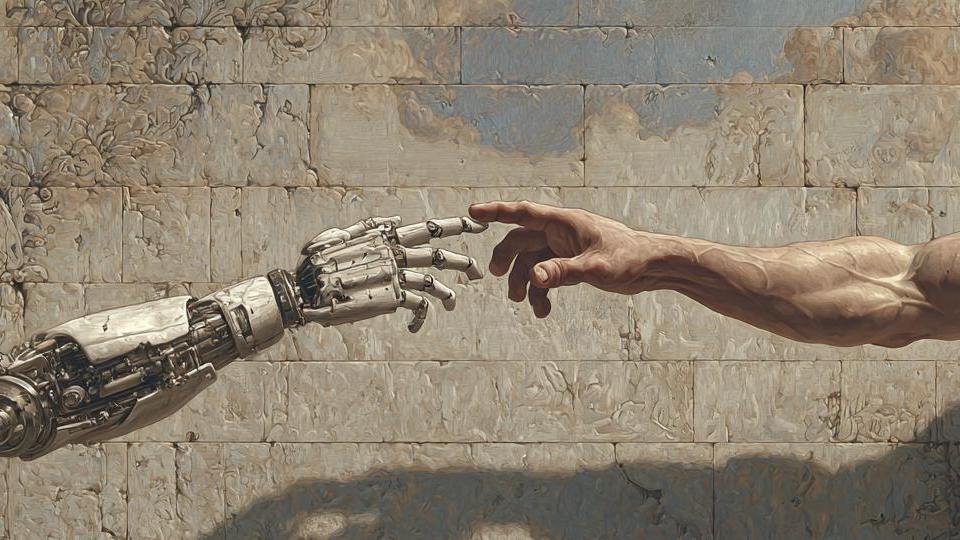
"We use AI but we are Human."
Real thinking.
Real people.
Crafted, not generated.
Invented, not imitated.
The future needs
more humanity.
Not less.
AI can replicate patterns.
Humans create meaning.
.
Latest Articles
All Articles
Google DeepMind's AI: Solving geometry problems with Olympian-like skill

Title: Google DeepMind's AI System Solves Geometry Problems like a Math Olympian
Introduction:
In the world of artificial intelligence (AI), Google DeepMind has once again made headlines with its remarkable achievement in solving complex geometry problems. The tech giant's AI system has demonstrated a level of mathematical prowess that rivals even the brightest minds of the prestigious Math Olympiad. This groundbreaking development opens up new possibilities for AI-assisted problem-solving in mathematics, paving the way for improved education and innovation in this field.


Test Tree #1

Hello, world!
